C. S. Lewis
The Chronicles of Narnia — and a body of fantasy and theological writing that shaped how children's fantasy works.
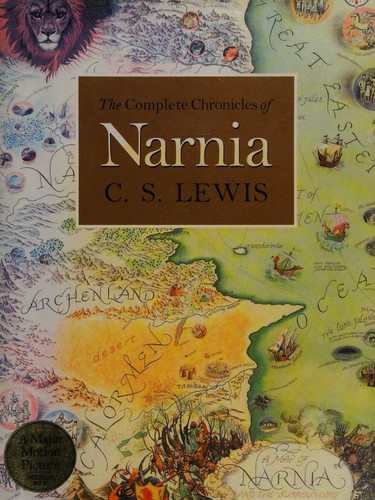
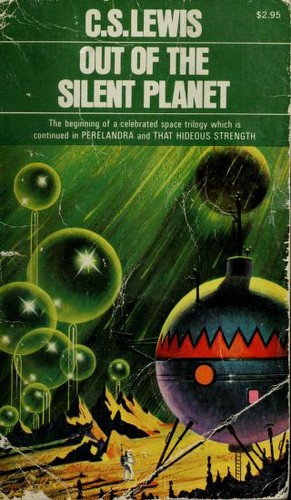
C. S. Lewis wrote The Chronicles of Narnia — seven novels — between 1950 and 1956, building one of children's fantasy's foundational worlds. His Space Trilogy (Out of the Silent Planet, Perelandra, That Hideous Strength) sits in science-fantasy crossover register. The Screwtape Letters and Till We Have Faces extend his range. The prose is warm and direct, the Christian allegory in Narnia is explicit but not heavy-handed in execution, and the influence on children's fantasy is total — generations of writers learned the portal-fantasy shape from these books.
For middle-grade readers in Narnia, adult readers in the Space Trilogy and theological work. Content stays squarely age-appropriate in Narnia, with the period sensibility of mid-twentieth-century children's writing. Some elements (particularly The Last Battle) have been the subject of modern reassessment regarding period attitudes. The reading experience is foundational — many adult fantasy readers came through Narnia. Pick this shelf when you want children's fantasy from one of the genre's defining writers.
- Foundational portal fantasy
- Generations of readers shaped here
- Theological depth without heavy-handedness
- Influence on children's fantasy at scale