George R. R. Martin
A Song of Ice and Fire — the series that reshaped what modern fantasy could risk, and the conversations the genre is still having about consequence.
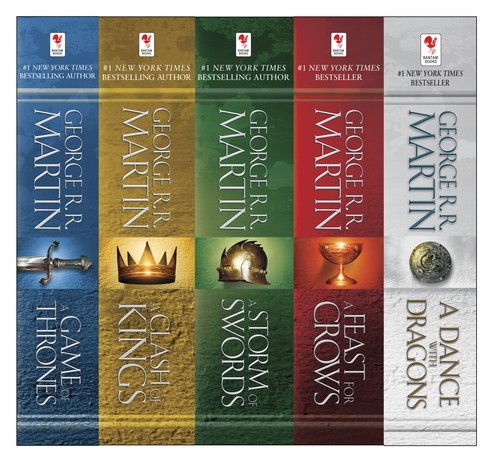
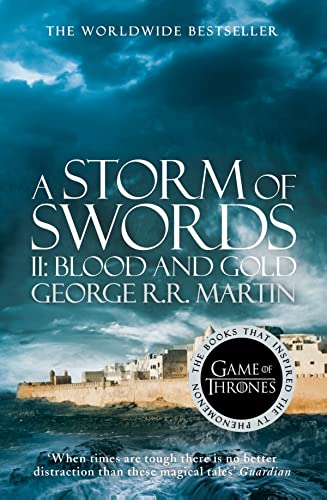
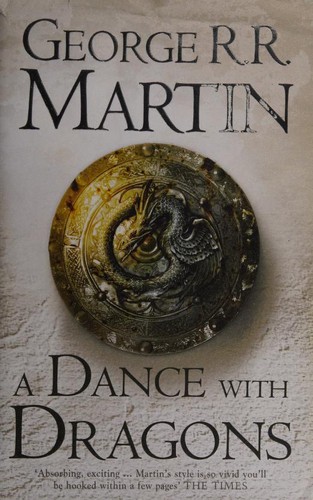
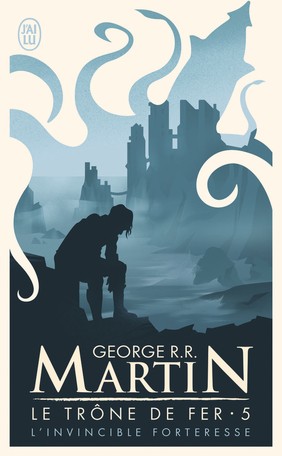
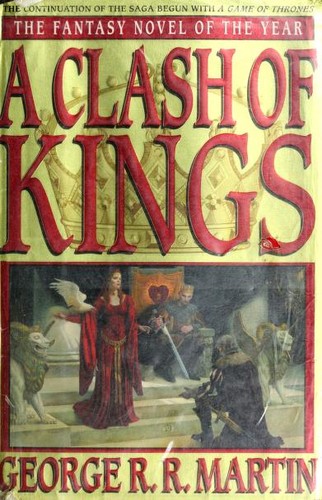
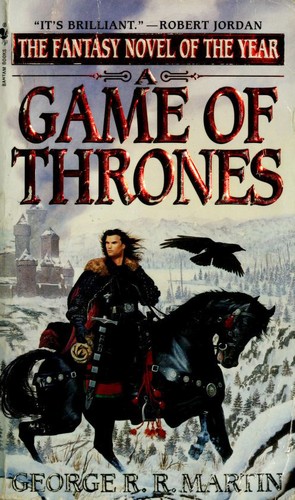
George R. R. Martin's A Song of Ice and Fire — beginning with A Game of Thrones in 1996 — recalibrated what epic fantasy could do with character death, political ruthlessness, and moral grayness. The fire and Blood and the broader Targaryen history books extend the world; his earlier work (Fevre Dream, the Wild Cards shared universe, his short fiction) deserves attention too. The prose is patient and atmospheric, the POV structure distributes the protagonist role across a sprawling cast, and the worldbuilding takes its time. Martin's influence on modern fantasy is total — including on how the genre's adaptations look.
For adult readers. Content includes graphic violence, sexual content (some of it explicit and disturbing in ways that have shaped decades of conversation about the series), and dark thematic material handled without much restraint. The reading experience is total immersion in a moral universe that refuses to flatter the reader. Pick this shelf when you want epic fantasy that takes its own stakes with full seriousness, with consequences that don't get walked back.
- Character deaths that mean something
- Multi-POV epic at maximum
- Moral grayness as structural fact
- Worldbuilding that takes its time