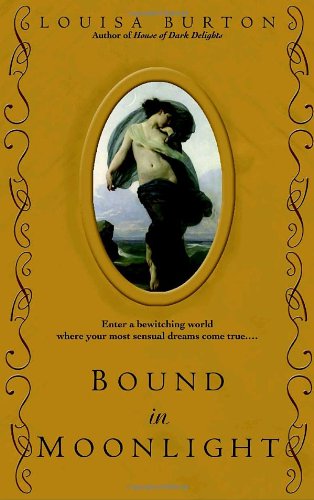
Heiress
She inherited what most heroines have to earn — and the inheritance is the trap of the book.
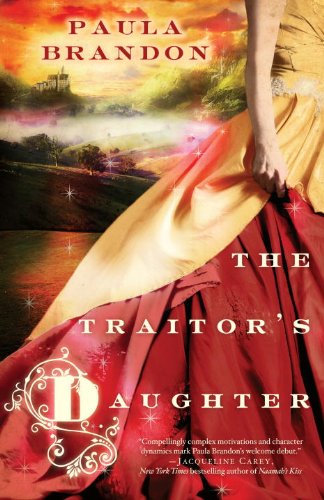
The heiress heroine begins with the fortune in hand and the question of who gets it as the engine of the plot. The various great-house daughters of secondary-world fantasy, the magical-inheritance women of urban fantasy whose great-aunt left them a haunted shop, every romantasy heroine whose dowry is also a curse and whose suitors are also assassins. The archetype works because inheritance gives the book its conflict free of charge — uncles, cousins, lawyers of the magical sort, all reasons for the plot to start the moment the will is read.
The appeal is the locked-room politics of inheritance and the slow education of a woman learning what her fortune actually costs her. Expect contested wills and shifty cousins, romance that has to be tested against the question of whether he wanted the money, lawyers and ledgers rendered with surprising drama, and the harder question of what she'd do without the inheritance and whether she'd want to. This is the archetype for readers who want fantasy where the money is the magic — and the heroine knows it.
- Inheritance as the plot engine
- Locked-room family politics
- Romance tested against fortune
- Money rendered as fantasy material