Philosophical Fantasy Books
Big questions, fantasy clothes. Bring your thinking cap.
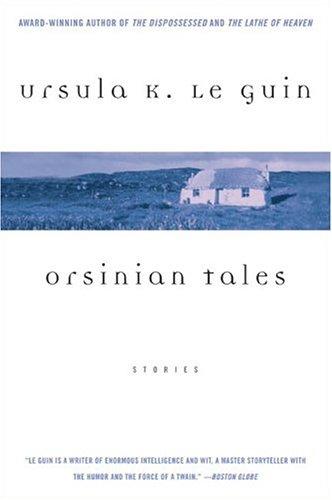
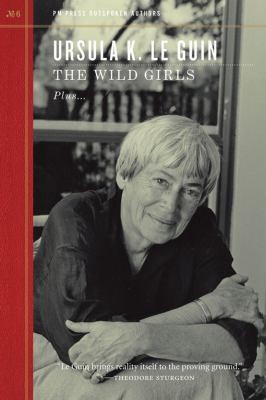
Philosophical fantasy uses the genre's freedoms to ask serious questions — about identity, free will, the nature of evil, the limits of knowledge, what it means to be a person, whether the soul is real and whether it matters either way. Le Guin defined the high-water mark for the form, and writers from Gene Wolfe to Susanna Clarke to N.K. Jemisin have continued it. Readers love philosophical fantasy because it trusts them. The book is willing to leave questions open, to refuse easy resolution, to make the reader work for the meaning.
This trope appears across literary-leaning fantasy at every age band, with adult versions tending to push hardest into difficult terrain. Content levels vary — the philosophical weight is independent of how graphic the rendering is. Below you'll find books that meditate, books that interrogate, and books that quietly upend the reader's certainties about how the world works.
- Serious questions seriously engaged
- Open-ended resolutions
- Literary-leaning prose
- Rewards rereading






![The Fantasy Hall of Fame [30 stories]](https://covers.openlibrary.org/b/id/14411044-L.jpg)